An apology that doesn't make things worse says exactly what you did, takes responsibility without a "but", and offers a fix or says what will change. "I'm sorry I snapped at you about the dishes last night. You didn't deserve that, and I'd rather talk about what's bothering me than take it out on you" is a complete apology. Most apologies that backfire skip the first part: they are sorry "about earlier" and never say what happened.
Below are apology messages for a partner, a friend, a colleague, a boss and a customer, for a missed birthday and a late reply, in short and longer versions, plus the phrases that quietly cancel an apology. If you would rather start from a draft, type a sentence about what happened into the box above.
Getting a draft from the box above
Say who it's for and what happened
Plain words work best: "my sister, I forgot her birthday on Saturday and only texted on Monday" or "a customer, we sent the wrong size twice". The agent may ask a question or two, such as how close you are or how they reacted, and then writes the message.
Add the one detail only you know
A draft becomes your apology when it holds something specific: the table she'd booked, the joke you made in front of her friends, the order number. Add it in the chat or type it straight into the text.
Ask for changes until it sounds like you
"Shorter." "Less formal." "Take out the first line." "Now in Hebrew." The agent writes in the language you write to it in and changes whatever you ask. Text messages cost nothing, and the first one needs no account.
What a real apology contains
There are four parts, and you won't always need all of them. A late reply needs the first two in a single line. A broken promise to someone you love needs all four.
| Part | Sounds like | What breaks it |
|---|---|---|
| Name it | "I'm sorry I read your messages without asking." | "Sorry about earlier." "Sorry for everything." |
| Own it | "That was my fault." "You were right to be angry." | "Sorry if..." "Sorry, but..." |
| See what it cost them | "You'd been looking forward to that dinner all week." | Describing how hard your own week was |
| Fix it or change it | "I've rebooked the table for Friday." | "It won't happen again", with nothing behind it |
Keep your reasons for later. If they ask why it happened, tell them then. Placed at the start, a reason sounds like an excuse, even when it's true.
Apology messages for a partner
With a partner, the danger is turning the apology into round two of the argument. Name what you did, not what they did first. Don't ask for forgiveness in the same message; let them decide when they're ready. If it was serious, the message opens the door and the real apology happens face to face.
- "I'm sorry I joked about your mum in front of everyone. It wasn't funny and it embarrassed you. It won't happen again."
- "You were right about the bills, and I got defensive instead of listening. I'm sorry."
"I'm sorry I forgot we'd planned Friday and went out with the team instead. You booked that table two weeks ago and I didn't even call. That's on me. I've booked it again for Saturday if you still want to go, and my phone stays in my pocket all evening.
- "I've been short with you all week and taking work out on you. You didn't deserve any of it, and I'm sorry. Can we have dinner tonight, just us? I'll listen more than I talk."
To a friend
Friends forgive a lot, but they notice when the explanation is twice as long as the apology. Keep it direct, and where you can, make it up to them with something concrete.
- "I'm sorry I cancelled on your birthday drinks at the last minute. I know you'd been organising it for weeks. Lunch is on me this weekend, your choice of place."
- "I told Chloe about your job interview and I shouldn't have. It was yours to share. I'm sorry."
- "I've been a rubbish friend lately, slow to answer and cancelling twice. I'm sorry. Nothing's wrong between us, I've just been swamped, and you deserve better than that. Can I call you on Thursday?"
To a colleague or your boss
At work an apology should be short, factual and followed by the fix. Nobody needs an emotional essay about a missed deadline. One rule matters more than the wording: if the mistake happened in front of other people, correct it in front of the same people.
- "Sorry, Mark, I sent the draft to the client before you'd signed it off. My mistake. I've told them a revised version is coming by Thursday, and from now on I'll run anything that goes to a client past you first."
- "I'm sorry I talked over you in the meeting today. Your point about the budget was a good one and I didn't let you finish. Can we pick it up tomorrow?"
- "Apologies for missing Friday's deadline on the report. That's on me. You'll have it by 3pm today, and I've moved my other work so it doesn't slip again."
To a customer
A customer wants to know three things: that you understood the problem, what you've already done about it, and how to reach a person. "We apologise for any inconvenience" answers none of them, because it doesn't name anything. Name the mistake, state the fix and the date, and sign with a real name.
- "Hi Ms Chen, I'm sorry your order arrived with a cracked lid. A replacement went out today by express delivery, and you don't need to send the broken one back. Olivia, customer care."
- "We charged you twice for October, and that was our error. The second payment was refunded this morning. I'm sorry for the worry it caused."
- "I'm sorry you waited nine days for an answer. That's far too long. Your booking is confirmed for 14 March, and this is my direct address if anything changes."
When you missed their birthday
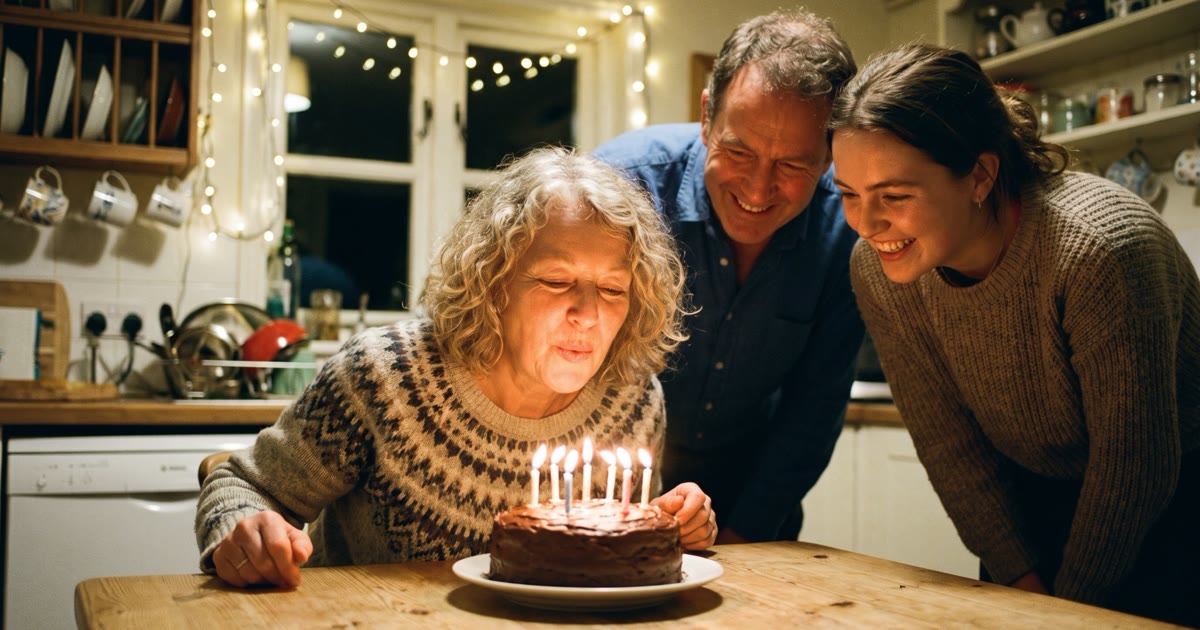
Say it, wish them properly, and offer to make up for it. Don't spend three sentences on why you forgot; "I lost track of the date" is enough. And don't let the apology replace the birthday wish. A late greeting should still be a greeting.
- "I missed your birthday and I'm sorry. No excuse, I just lost track of the date. Happy belated birthday, Anna. Can I take you for breakfast this week?"
- "Happy birthday, two days late. I'm sorry I missed it. I hope 34 has started well, and I owe you a proper celebration."
- "Grandma, I'm sorry I didn't call on your birthday. I thought about you all day and still didn't pick up the phone. I'll call on Sunday, and I want to hear everything."
If birthdays keep slipping past you, fix the cause: a reminder can arrive a week before the day with a greeting ready to send. For the greeting itself, there is more in how to write a heartfelt birthday message.
Sorry for the late reply
One line of apology, then the answer. Three sentences of sorry followed by one sentence of substance reads backwards. At work, save "sorry for the delay" for replies that really were late; on an email answered the same day it just adds noise.
- "Sorry for the slow reply, this got buried. Yes, Saturday works."
- "Apologies for the delay. Here's the file, with the figures updated to the end of September."
- "I owe you a reply from two weeks ago, sorry. I read your message the day you sent it and wanted to answer it properly, so here goes."
Phrases that make an apology worse
- "I'm sorry if you were offended." The "if" makes their reaction the problem instead of what you did.
- "I'm sorry you feel that way." This apologises for their feelings, not your actions.
- "Sorry, but..." Whatever follows the "but" cancels the sorry.
- "Mistakes were made." By nobody, apparently.
- "I already said sorry." Forgiveness on your schedule isn't forgiveness.
- "I'm the worst, I'm a terrible person." Now they have to comfort you.
- "Can we just move on?" Only they get to decide that.
Watch the setting as well. Apologising in a group chat for something that happened between the two of you puts them on stage. Apologising privately for a mistake you made in public leaves the record wrong.
Text, call or face to face
A message is right for small things, and it's a good first step for bigger ones: the other person can read it when they're ready and answer when they choose. For a real hurt, send the message and ask to talk. Don't use a text to avoid the conversation, and don't send an apology at two in the morning, when it reads like the night talking.
Questions about saying sorry
How long should an apology message be?
Two to five sentences cover almost every situation. A late reply needs one line, a forgotten birthday three or four, and a broken promise to a partner a short paragraph followed by a conversation. Length doesn't prove you mean it. Once you've named what you did, owned it and said what you'll do, anything more usually drifts into explaining.
How do you apologise without making excuses?
Leave the reason out of the apology and give it only if they ask. Start with "I'm sorry I..." and the specific thing, then add "That was my fault" or "You were right to be upset". Read it back and delete every "but", "if" and "just". What's left is usually the apology.
What should I do if they don't answer my apology?
Give it time, and don't send a second message asking whether they got the first. Many people need a few days before they can answer calmly. If a week passes and it matters to you, one short line is fine: "I meant what I said. Whenever you want to talk, I'm here." After that, the next move is theirs.
Should I send flowers or a gift with an apology?
Only together with the words, never instead of them. After a clear apology, a small gift can be a kind gesture; without one, it looks like trying to buy your way out. For small mistakes, skip it. For a customer, a refund or a replacement matters more than a voucher.
Can the generator write an apology in another language?
Yes. Write to the agent in the language you want, or ask it to switch: "now in Russian", "in Arabic, a bit more formal". It answers in the language you write in. If the apology really matters and you don't speak that language well, ask a native speaker to read it before you send it.