
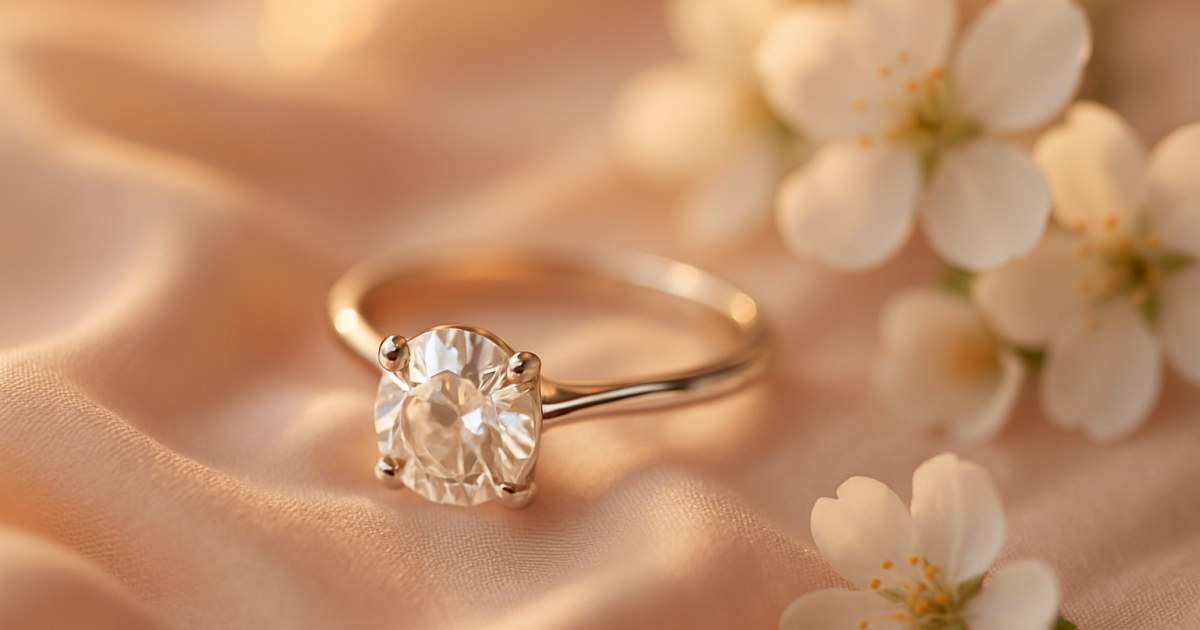
Engagement messages have a specific failure mode that birthday or wedding notes don't: they treat the engagement as a waiting room for the wedding. "Congrats! Can't wait for the big day! Have you set a date?" In one breath the message stops being about the thing that just happened - two people deciding on each other - and becomes about logistics that aren't your business yet. The couple has been engaged for four hours and you've already handed them a deadline.
So this is a genre where knowing what not to say matters as much as the words. A generator can get you a clean, warm draft fast - but only you know the couple, and that knowledge is the whole point.
Where a generator actually helps
The wide circle. A coworker announces their engagement on Slack; a cousin you see twice a year posts the ring photo; someone from college resurfaces with happy news. You want to respond warmly and you don't have a deep well of shared memory to draw on. A draft gives you something better than "congrats!" and a heart emoji, which is what most people default to and what gets lost in a comment thread of forty identical ones.
It's also good for the group card or group chat, where one warm, slightly personalized line beats being the eleventh "so happy for you both!"
What flat engagement messages get wrong
The generic version is all event, no people. "Congratulations on your engagement! Wishing you a lifetime of love and happiness as you begin this exciting journey together!" It's fine, it's warm-ish, and it could be pasted under any ring photo on earth.
"The fix is to celebrate the choice, not the milestone. Not "congrats on getting engaged," but "you two have always made each other better - this is the most unsurprising good news I've gotten all year."
Three things to cut. The date question - let them volunteer it. The unsolicited marriage advice - nobody at an engagement wants "the secret is compromise." And the freedom jokes ("ball and chain," "last days of freedom") - they undercut the exact thing the couple is celebrating.
What a strong engagement message contains
- Genuine happiness, stated plainly. "I'm so happy for you" is not a cliché when you mean it and stop there.
- Something specific about the couple. How they are together, a moment you witnessed, why the match makes sense.
- Recognition of the choice. An engagement is a decision. Acknowledging it - "you chose well" - lands deeper than celebrating the event.
- No logistics, no advice. Leave the wedding entirely out of it unless they bring it up.
Before and after
Generator output"Congratulations on your engagement! So happy for you both. Wishing you a lifetime of love, laughter, and happiness. Can't wait to celebrate at the wedding!"
After one specific edit"I'm so happy for you both. I still remember you describing your first date for twenty minutes without once checking your phone - I knew then. You picked someone who clearly adores you, and that's the whole game. Congratulations."
The edited version never mentions the wedding, gives no advice, and contains one real memory - the twenty-minute story - that anchors it to this couple. The generator handed over the warmth and the shape; the date detail is the part it couldn't know and the part that makes it land.
When to write it yourself
For a sibling, a best friend, a close cousin - the people whose engagement genuinely lands in your chest - write it yourself. You have the proposal story, the years of watching it build, the specific reason you're not surprised. Those are exactly the materials a generator lacks, and the people closest to the news will feel the difference between a message that knows them and one that knows "engagements." Save the tool for the warm-but-distant tier, where the risk is posting "congrats 🎉" and nothing more.
The final check
Read it and check two things: did I mention the wedding or hand out advice (cut both), and is there one line that's specifically about these two people? If the message celebrates the couple and not just the announcement, send it. An engagement is the rare moment when someone chose a person on purpose - the best messages notice the choice, not just the party that follows.