






AI Wish Generator A greeting they'll
never forget
Write it, put your people in it, bring it to life - and send it on the day.
What you can make

Photo card
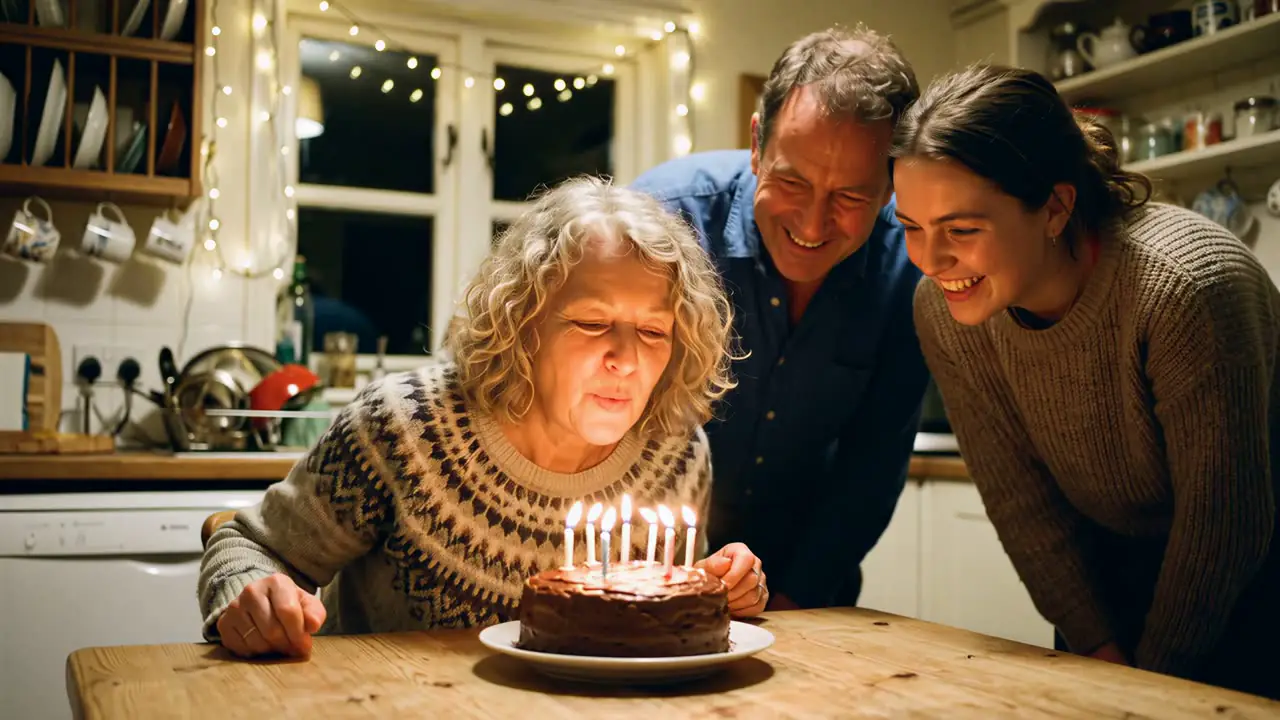
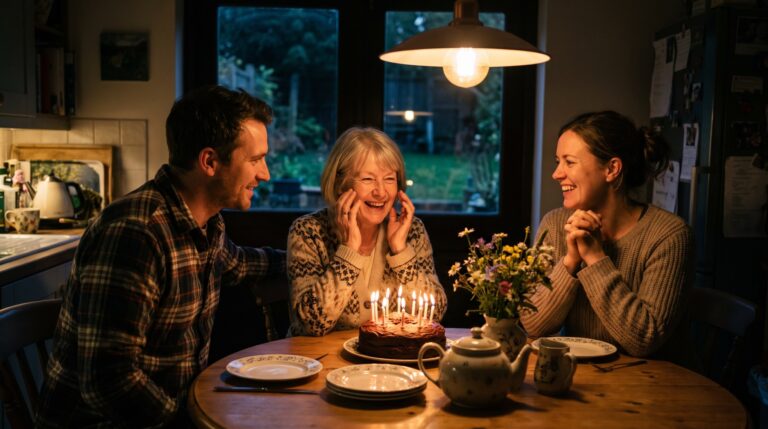
Your people in a scene, with your words on it
Reminders and delivery
We remind you a week before, then send it by email, SMS or popular messengers
Video greeting
The card brought to life, five seconds
Voice greeting
The greeting read aloud, in four languages
Made in minutes






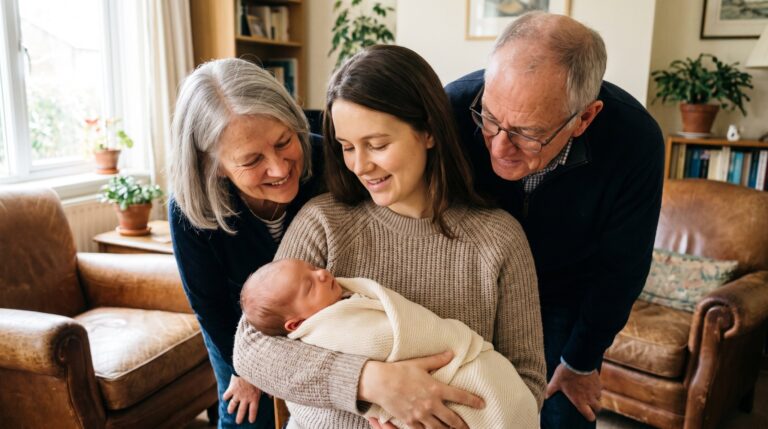

Greetings for every moment
Why people use Wish Generator
- Your people, in the picture
- Four languages, written like a native
- Sent on the day, even if you forget
Scenes, songs and sounds


The wish generator that remembers your people
Wish Generator writes a greeting with you in a short chat and, when words are not enough, turns it into a photo card, a video, a song or a voice message. Text greetings are free, and every paid format shows its price before you press the button.
How it works: a few questions, then the words
Start by saying who the greeting is for. The agent asks a few short questions, one at a time, with buttons for the common answers: who this person is to you, what they are like and what tone you want. Then it writes.
Read more
It asks because one real detail does more than a page of adjectives. A birthday wish for your mum reads like a shop card until it mentions the garden she has been replanting for three summers running. Give the agent a shared joke or whatever the person cares about this year, and the greeting is built around it.
Then ask for it shorter, warmer, funnier, more formal or in another language, change a line yourself, or ask for a fresh version. If you already know the format, switch the composer to Standard and pick Text, Photo card, Video, Song or Voice.
Text, photo cards, video, songs and voice
The words come first, and they are free. When you want something they can open, play or listen to, the same chat takes the greeting further.
Read more
- Text greeting - free, in your language, ready to copy or send.
- Photo card - your own people in one picture with your words on it, up to six people on one card.
- Video greeting - the photo card brought to life as a short clip with sound.
- Song - lyrics from your story or your own words, approved by you before the music is made, in the genre and mood you pick.
- Voice message - the greeting read aloud by a voice from our catalogue.
- Talking card - a photo of the person, with their agreement, speaks the greeting, up to 15 seconds of speech.
- Scenes - ready moments such as a long garden table or a toast by the sea. Add your people's photos and the card comes back with them in it.
Birthdays, weddings and the harder days
For a birthday, the agent writes in any register: two warm lines for a colleague, a teasing note for a brother turning forty, a long letter for a grandmother's ninetieth. Ask for a toast if you will be the one standing up at dinner.
Read more
The same chat writes for weddings and anniversaries, a new baby, graduation, a new job or retirement, and for Christmas, Hanukkah, Eid, Rosh Hashanah and New Year. Some greetings need no date at all: a thank-you to a teacher, a get-well note, a line for your partner on an ordinary Tuesday, a goodbye to a colleague who is moving on.
Apologies and condolences are the hardest to write. Tell the agent what happened and ask for something short and plain, with no jokes and no exclamation marks. You are the one who sends it, so change any word that does not sound like you.
Reminders a week before, sent on the day
Add a birthday or an anniversary once. A week before the date, Wish Generator reminds you and has a greeting ready for you to read, change and approve.
Read more
Send it right away or schedule it for the morning of the day. It goes by email, SMS or popular messengers, and you can also share it as a link or copy the text. A scheduled greeting leaves on time, even in a week when everything else slips.
Your people stay yours
The app keeps the people you write to: their name, birthday, a few notes and, if you add them, their photos. Next time the agent already knows that your sister works night shifts and your dad cannot stand long speeches, so you do not answer the same questions twice.
Read more
Photos, cards and greetings are saved in your library. Only you can see it, your photos are used to make your greetings, and you can delete any photo or greeting whenever you like.
Questions about Wish Generator
Yes, text greetings are free, and your first one does not even need an account. When you sign up, you get 1,000 free credits for photo cards, videos, songs, voice messages and talking cards. Each paid format shows its price on the button before you press it, and if a generation fails, the credits are returned. Paid plans add credits every month.
Not for your first text greeting: open the chat and start typing. A free account keeps your people with their birthdays and notes, your photos and greetings, and your reminders. If you start as a guest, the app asks you to sign in when you make a card or a video, then brings you back to where you were.
Yes. Add a photo of each person, pick a scene or describe your own, and the agent puts everyone into one picture with your words on it. A card holds up to six people, so grandparents in one country and grandchildren in another can sit at the same table. You see the card first and then decide whether to turn it into a short video with sound.
Yes. The agent writes in the language you write to it in and switches when you ask. In English, Russian, Hebrew and Arabic, the four languages of this site, greetings are written for native readers, with the set phrases and forms of address each language uses rather than a word-for-word translation from English. Songs and voice messages work in all four.
Yes. Send it right away or schedule it for the morning of the day, by email, SMS or popular messengers. If you add a person's birthday, the app reminds you a week before with a greeting ready, and all that is left is to read it and send it.
Wish Generator does one job: greetings for the people in your life. The agent asks about the person before it writes, remembers your people and their dates, reminds you a week before, puts your family into a photo card, turns it into a video, a song or a voice message, and sends it on the day.
No - greetings are read aloud by voices from our catalogue, in English, Russian, Hebrew and Arabic. To be heard yourself, record a voice note on your phone. A talking card goes one step further: a photo of the person says the greeting, with up to 15 seconds of speech - only with the agreement of the person in it.
Greetings for every moment


