ChatGPT is a very good writer, and for the words of a birthday greeting it is often all you need. Wish Generator is built for the rest of the job: it remembers the people you write to, reminds you a week before their birthday, can turn the greeting into a photo card, a video, a song or a voice message with your own people in it, and sends it on the day.
We make Wish Generator, so this is a comparison written by one side. It describes both products as they are on 29 September 2026. The details about ChatGPT come from its public pricing page, checked that day, and we say plainly where ChatGPT is the better pick.
What ChatGPT does well for a greeting
ChatGPT writes fluently, takes direction and keeps going for as many rounds as you like. Ask for "shorter", "less formal" or "add the joke about the burnt cake" and it adjusts. Long forms suit it well: a wedding toast, a retirement speech, a rhymed poem, a thank-you card that has to name five people without sounding like a list.
It is also cheap to start. On chatgpt.com/pricing the Free plan lists everyday text chats, plus image generation, voice chats and memory with limits. The paid plans (Go, Plus and Pro) raise those limits and add scheduled tasks.
A birthday involves more than the card, and a general assistant helps with the rest too: the same chat can suggest a present, plan the dinner and word the invitation. ChatGPT's site also lists apps that work inside it, Canva among them, so a designed card can start there too.
"If you write to someone once, ChatGPT is plenty. If you write to them every year, it helps when something else keeps the date.
What a greetings service adds around the words
Wish Generator is a chat too. The agent asks a few questions (who the greeting is for, what they are like, what tone you want) and writes it. You can ask for anything after that: shorter, warmer, funnier, another language. The difference is what sits around that chat.
The people you write to, remembered
The app keeps each person you greet: their name, birthday and your notes. Next year the agent does not need to ask again who Aunt Rita is or that she hates being called "young lady". ChatGPT has memory as well, limited on the Free plan. Ours is a list of people with dates attached, and the reminders run on that list.
A reminder a week before
Save a birthday once and a reminder can come a week before, with a greeting already written and ready to send. A week leaves time to change a line, make a card or add a song. In ChatGPT, scheduled tasks can play the part of a reminder on the paid plans; the Free plan does not include them.
Your own people in the picture
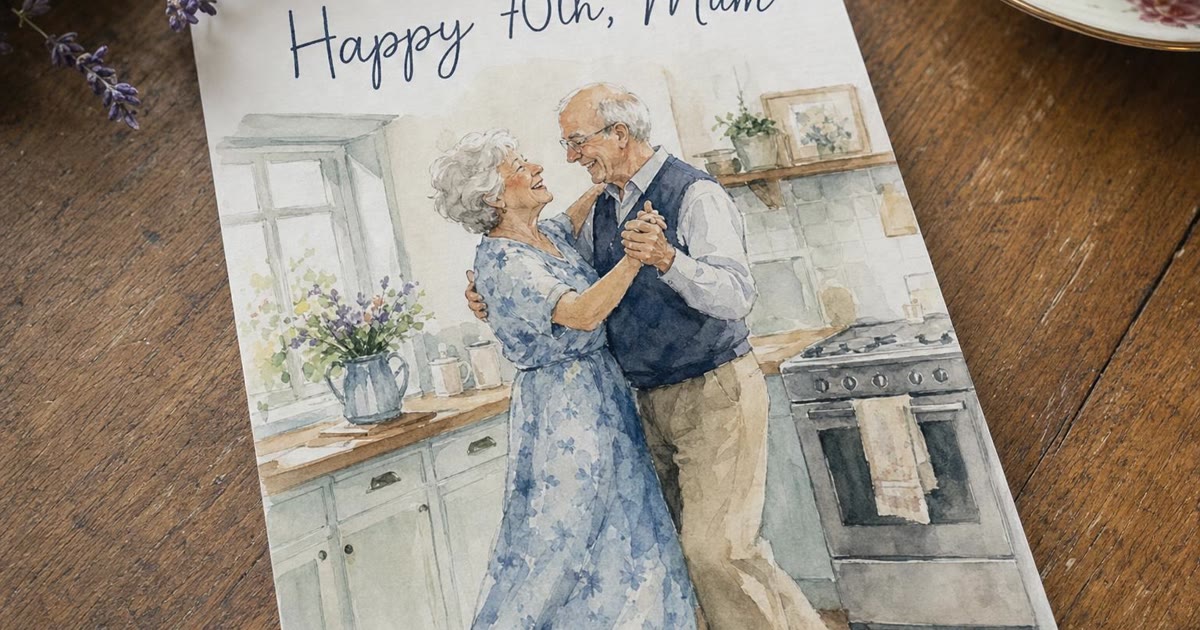
A photo card here starts from photos of your people. Add them from your phone, your library or your saved people, and the card puts them together, even if they live in three countries and have never been in one frame. Up to six people fit on a card, and faces hold most reliably up to four. Describe the scene in your own words or pick one from the catalogue of ready scenes.

ChatGPT can make and edit images as well, within its plan limits. What we add is a setup for this one job: a choice of image models that keep faces, scenes drawn for family moments, and the price on the button before you press it. More on this on the photo card page.
Video, a song or a voice in the same chat
A finished card can be brought to life as a short video with sound. The agent can also write a song with the person's name (you approve the lyrics first, then pick the genre), have a voice read your greeting aloud, or make a talking card, where their photo says the greeting in the voice you choose.
These formats are paid in credits, and the price shows on the button before you press it. Sign-up gives 1 000 free credits. Text stays free.
Sending, on the day
When the greeting is ready, the app sends it: by email, SMS, a popular messenger or a link, right away or on the morning of the day. The card, the video and the words travel together, and delivery costs nothing. In ChatGPT the greeting stays in the chat, and you copy it to wherever it needs to go. Our guide to sending a greeting on the morning of the day covers channels and time zones.
A library that stays yours
Greetings and photos are saved in your account, in the library. Only you can see them, and you can delete any of them at any time. Next year's card can start from this year's photos.
One birthday, both tools, side by side
| The job | ChatGPT | Wish Generator |
|---|---|---|
| Writing the greeting | Very good; the Free plan covers everyday text chats | Free; the first greeting needs no account |
| Changing tone, length, language | Yes, in the conversation | Yes, ask the agent |
| Remembering who the person is | Memory, limited on the Free plan | Your people: name, birthday, notes |
| A reminder before the birthday | Scheduled tasks on Go, Plus and Pro | A week before, with a greeting ready |
| A picture for the card | Image generation, limited on the Free plan | Photo cards with your own people and ready scenes, in credits |
| Getting it to the person | You copy the text from the chat | Email, SMS, a messenger or a link, now or on the morning of the day |
| What it costs to start | Free plan; paid plans raise limits | Text is free; 1 000 credits at sign-up |
ChatGPT's column reflects its pricing page on 29 September 2026. Plans change, so check the page before you rely on a limit.
When ChatGPT is simply the better choice
- A speech or a long toast. Three minutes at a wedding or a retirement dinner is its own kind of writing, and a general assistant that lets you rework the structure is the right tool.
- A one-off message. A card for a client or a note to a neighbour you have met twice. Saving them as a person with a birthday gains you nothing.
- You already pay for ChatGPT and only need words. If you never send cards, videos or songs, a second service adds little.
- The greeting is part of bigger work. The card, the thank-you emails and the seating plan for the same party can all live in one ChatGPT chat.
The other way round: if the person hears from you every year, and you would like a card with the family in it, a reminder before the date and the greeting delivered on the morning, that is the job we built Wish Generator for. You can start a greeting without an account.
How to ask either one for a greeting that sounds like you
Both tools answer the request you give them. A request that works names who the person is to you, one true detail, the tone and the length. Three requests that do this:
- "For my brother Dan, 40 on Saturday. He restores old motorbikes and still owes me a ride. Warm with a bit of teasing, four sentences."
- "For Grandma Lena, 85. She taught all of us to bake. Gentle and simple, she reads on her phone with the font turned up."
- "For Maya from accounts, her first birthday on the team. Friendly, no inside jokes, two sentences."
And greetings that such requests can give you:
"Happy 40th, Dan. May this year bring you an engine that starts first time and a free Saturday to ride it, ideally with me on the back, since I am still waiting for that ride.
"Grandma, happy 85th birthday. Every cake any of us bakes is still your cake. We love you and we are coming over for tea.
"Happy birthday, Maya! Glad you joined us this year. Hope today brings cake and a quiet inbox.
The detail does most of the work. "Warm birthday message for my brother" gets you a greeting that could go to anyone's brother. For more on this, see how to write a heartfelt birthday message.
Questions people ask
Can ChatGPT write a birthday message?
Yes, and it writes a good one. Tell it who the person is to you, one true detail about them, the tone and the length, and ask for changes until it sounds right. What it leaves to you is the rest: remembering the date, making a card if you want one, and copying the text to wherever it should go.
Is ChatGPT free for writing greetings?
Yes. On its pricing page, checked on 29 September 2026, ChatGPT's Free plan includes everyday text chats, which is all a written greeting needs. Image generation, voice chats and memory are also on the Free plan with limits, and the paid plans Go, Plus and Pro raise them.
Can ChatGPT remind me about birthdays?
On the paid plans, yes. ChatGPT's pricing page lists scheduled tasks for Go, Plus and Pro, and not for the Free plan. Wish Generator's reminders work from your saved people: a reminder can come a week before a birthday with a greeting ready, and the app can send it on the day.
Do I need an account to write a greeting with Wish Generator?
No. Text greetings are free, and the first one needs no account. An account keeps your people, their birthdays, your reminders and your library, and it comes with 1 000 free credits for photo cards, videos, songs, voice messages and talking cards.
Can Wish Generator write in Hebrew, Arabic or Russian?
Yes. The site works in English, Russian, Hebrew and Arabic, and the agent writes in the language you write to it in. Ask it to switch and it will, for example a greeting in Hebrew for Grandma and the same one in English for the cousins abroad.